Four and a half stars from people who may not exist
Hidden one-star reviews, generous ratings maths and discounts for five stars: the quieter tricks now under the regulator’s nose.
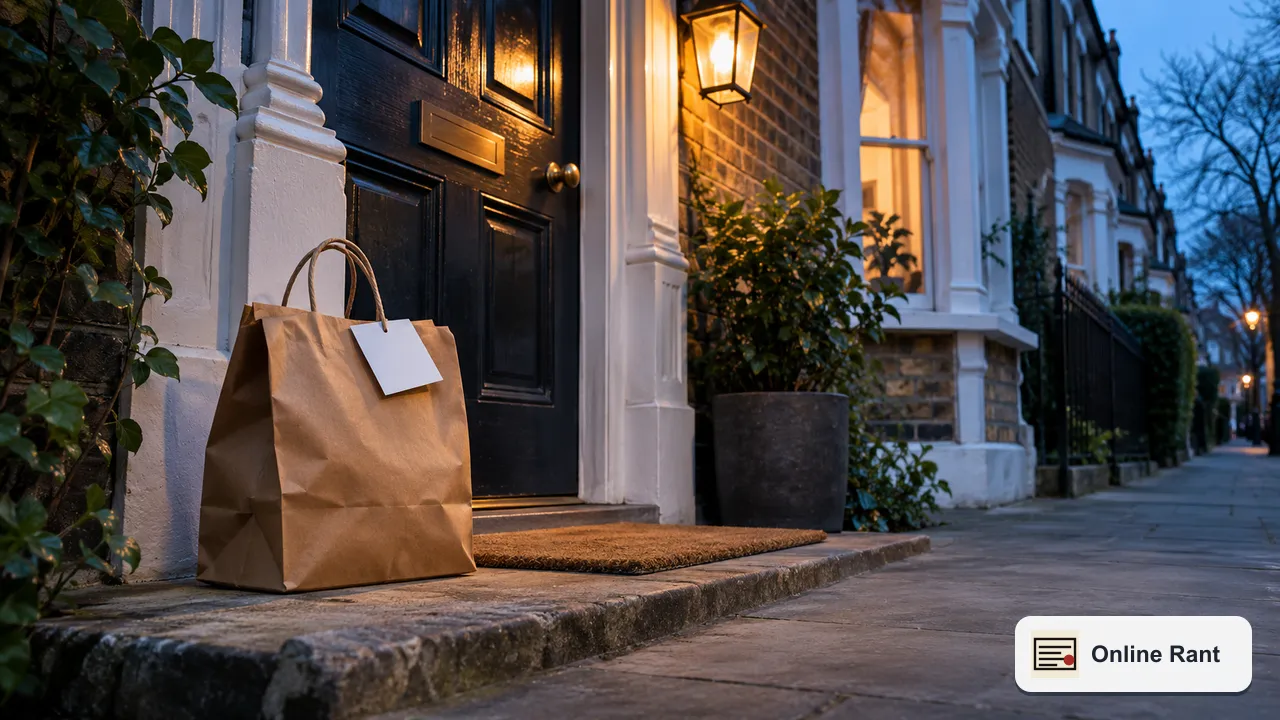
Fake reviews have been banned in the UK since April 2025. Not discouraged, not frowned upon: banned outright, along with hiding negative reviews and star ratings that give a misleading picture. Eighteen months on, the regulator has started testing the law against household names. If you choose a takeaway, a used car dealer or a builder by its stars, it is worth knowing what the rules say, what the Competition and Markets Authority is looking at, and how far a 4.7 can be trusted.
The five investigations
On 27 March 2026 the CMA announced it had opened consumer law investigations into five businesses over fake and misleading reviews. The press release sets out what it is examining in each case:
- Autotrader and Feefo: whether 1-star reviews moderated by Feefo were left off Autotrader’s platform and excluded from star ratings.
- Dignity: whether staff were asked to write positive reviews of its crematoria services.
- Just Eat: whether its ratings system inflated star ratings for some restaurants and grocers.
- Pasta Evangelists: whether customers were offered discounts on future orders for leaving 5-star reviews on delivery apps, without this being disclosed.
The CMA has been clear that it has not concluded that any of these businesses broke the law. Investigations are investigations. What the list does show is the range of the problem, which is far wider than a few bots writing gibberish.
What is banned
Under the Digital Markets, Competition and Consumers Act 2024, a set of review practices is treated as automatically unfair. According to the CMA, they are:
- obtaining or posting fake reviews;
- publishing paid-for or incentivised reviews without making clear that they were incentivised;
- hiding negative reviews;
- presenting star ratings that give an inaccurate picture.
The CMA can now decide these cases itself rather than going to court, and can fine a business up to 10% of its global turnover for breaking consumer law. That is a serious number, and part of the point of these first cases is to make sure businesses notice it.
A star rating is a summary of reviews someone chose to keep.
Why the quiet tricks matter more than the obvious ones
Everyone has seen the obviously fake review: oddly enthusiastic, posted the same day as twenty others, slightly mistranslated. Those are easy to ignore. The cases under investigation are about something more subtle. A 1-star review that never appears. A rating calculation that leans generous. A discount for five stars that you do not know was offered. None of these involve anyone writing a lie. All of them can move the number at the top of the page.
And the number is what people read. The CMA’s own release cites Which? research that 89% of UK adults use online reviews when researching a product or service. Most of us look at the stars and maybe the first three reviews. That is the part a business has most reason to shape.
Reading reviews like an editor
No single check catches everything, but a few habits make it harder to be fooled.
Read the low ones first
Sort by lowest rating. Genuine complaints tend to be specific: a date, a problem, a response. If the 1-star reviews are all about the same issue, that issue is real. If there are suspiciously few of them on a business with thousands of reviews, ask why.
Look at the timeline
A business that collected nothing for months and then fifty glowing reviews in a week has probably run a campaign. That might be an honest email asking happy customers to post. It might not.
Check the reply
How a business responds to criticism tells you more than the praise. A calm reply that offers to fix things is a good sign. Copy-pasted apologies on every complaint, or hostile replies, are not.
Look for disclosure
If a review was rewarded with a discount, voucher or free product, that should now be clearly stated. If you see a pattern of glowing reviews that all mention a freebie with no label, that is exactly what the law is about.
Cross-check
For anything costly, compare ratings on two or three platforms and ask people you know. For tradespeople, look for membership of a recognised trade body and check it on that body’s own site.
What to do if you spot something
Most review platforms have a report button. Use it. Under paragraph 13 of Schedule 20 to the 2024 Act, publishing reviews without taking reasonable and proportionate steps to prevent and remove fake or misleading ones is itself treated as unfair, and reports from readers are part of how platforms find them. If you think a business is breaking the rules more broadly, you can report it to Trading Standards via the Citizens Advice consumer service.
And if you were asked to leave five stars in exchange for something, by a takeaway, a holiday let or a delivery driver, you are under no obligation to do it. A fair review is worth more than a voucher, to the next customer and in the long run to the business. If the request comes printed at the bottom of a receipt as long as your arm, you have our permission to fold it into a very small square.
Where this is heading
The first investigations will take months to resolve, and the outcomes will set the tone for everyone else. Expect review sites to tighten their moderation, more businesses to publish their review policies, and fewer “leave us five stars for 10% off” cards in delivery bags. None of that will make reviews perfect. It may make them a little more honest, which for a system that steers so much of what we spend is overdue. Treat the star rating as a starting point, much as you would treat the friendly “Hi! I’m here to help” chat widget: polite, eager and not the whole story.
Sources
◊