Reselling tickets at face value: the ban that is still a draft
A resale cap was promised and a draft bill announced in May 2026. Until it becomes law, the old risks of the secondary market still apply.
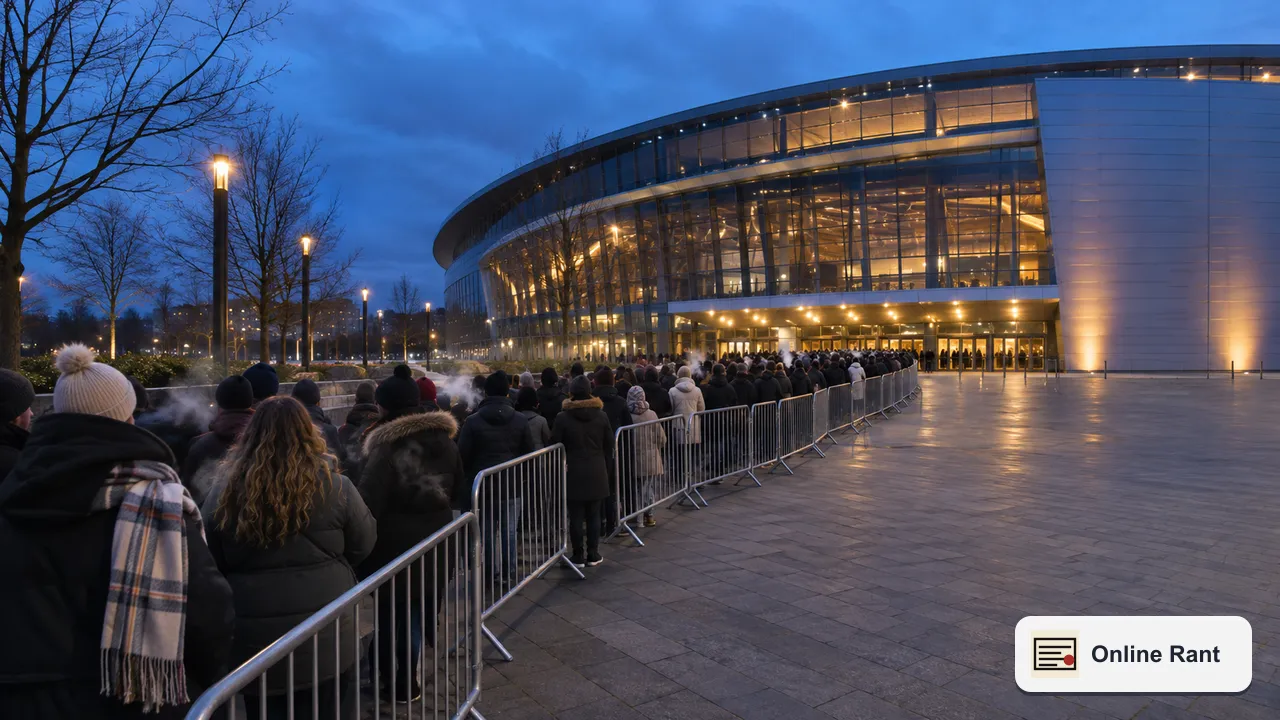
Short answer first: as of November 2026 it is still legal in the UK to resell a ticket for a concert, a match or a show above the price you paid for it. The government has promised to make that unlawful, and a draft Ticket Tout Ban Bill was announced in the King’s Speech in May 2026. But no bill has yet been introduced to Parliament, and lawyers who follow the subject expect the final law to be some way off. If you are buying tickets for next summer’s tours this winter, the old rules, and the old risks, still apply.
What has been promised
Labour’s 2024 manifesto promised new consumer protections on ticket resales. After a consultation in early 2025, the government published its response in November 2025, describing a price cap that would make it unlawful to resell live event tickets for a profit. The independent fact-checker Full Fact keeps a tracker on this pledge, last updated in August 2026, and rates it as in progress. It lists the main proposals:
- a ban on reselling a ticket for more than its original cost;
- a ban on reselling more tickets than the buyer was originally allowed to buy;
- a cap on the service fees charged by resale platforms;
- strict obligations on resale platforms to police their own listings;
- powers for the Competition and Markets Authority to fine offenders up to 10% of global turnover.
What “face value” will mean
The detail that matters most is the definition of the original price. According to an analysis by the law firm Slaughter and May, the draft approach would treat the ceiling as the original price plus any unavoidable fees paid at the time, such as service charges. The same analysis flags the open questions: how hospitality packages will be treated, what happens with dynamic pricing tiers, and how booking fees fit in. Those are not small details. A cap at “face value” means very little if the face value itself can be anything.
A cap at face value means little if the face value itself can be anything.
Why it is taking so long
A draft bill goes through pre-legislative scrutiny before it is formally introduced, which means committees and industry get to pick at it first. That is sensible for a law with real consequences for a large market. It also means anyone hoping for protection in time for the next big stadium tour is likely to be disappointed. The CMA is not waiting idly in the meantime. In November 2025 it opened investigations into the resale platforms Viagogo and StubHub, focused on mandatory fees and pressure-selling tactics, using its new direct enforcement powers.
Buying tickets this winter: what protects you now
Until a ban arrives, the practical defences are about where you buy and how you pay.
Start with the official seller
The artist’s or venue’s own website will name the authorised primary seller. Buy there first. If an event sells out, check whether the official seller runs its own face value resale or exchange. Where one exists, it is the safest place to look after a sell-out.
Read the ticket terms
Many tickets are named or non-transferable, and the venue may refuse entry to anyone holding a resold one. A ticket you cannot use is worth nothing at any price.
Pay in a way that can be reversed
Paying by credit card or debit card gives you options if a ticket never arrives. Paying a stranger by bank transfer gives you almost none. The pattern of a ticket scam is depressingly familiar: a social media post, an urgent price, a request for a bank transfer.
Check what the price includes
On resale sites, the price that appears first may not include service and delivery fees. Go to the final checkout screen before you decide whether the price is acceptable. It is the same irritation as the rail ticket that costs more by the sixth screen.
The fan’s side of the argument
Not everyone welcomes a cap. One objection to a cap is that tight limits will push sales into unregulated corners, such as private messages and cash on the doorstep, where fans have no protection at all. That concern deserves an answer, and the answer is enforcement: a cap only works if the platforms and the regulator can spot and stop breaches.
For most people, though, the case for change is simple. A ticket bought in the first minute of a sale and relisted at three times the price a minute later is not a market working well. It is a queue being jumped by whoever has the fastest software. Ordinary fans lose and the artist, who set the original price, gains nothing from the mark-up.
What to watch for
- Publication of the draft bill text. The definition of original price will tell you whether the ban has teeth.
- The fee cap figure. A cap on platform fees will matter as much as the cap on the ticket.
- CMA outcomes. Results from the Viagogo and StubHub investigations will show how the regulator intends to act under its new powers.
Until the law changes, treat any ticket offered above face value with care, keep your payment method reversible, and do not let a countdown timer make the decision for you. If you lose money to a ticket scam, report it to your bank straight away and to Action Fraud; for a larger dispute, take advice from Citizens Advice. And if the official site makes you wait in a virtual queue behind a cookie banner, accept that this, at least, is fair: everyone has to sit through it.
Sources
◊