The rail fare freeze has a sell-by date
Season tickets and commuter returns stood still for a year. Nobody has said what comes next, so it is worth doing the sums now.
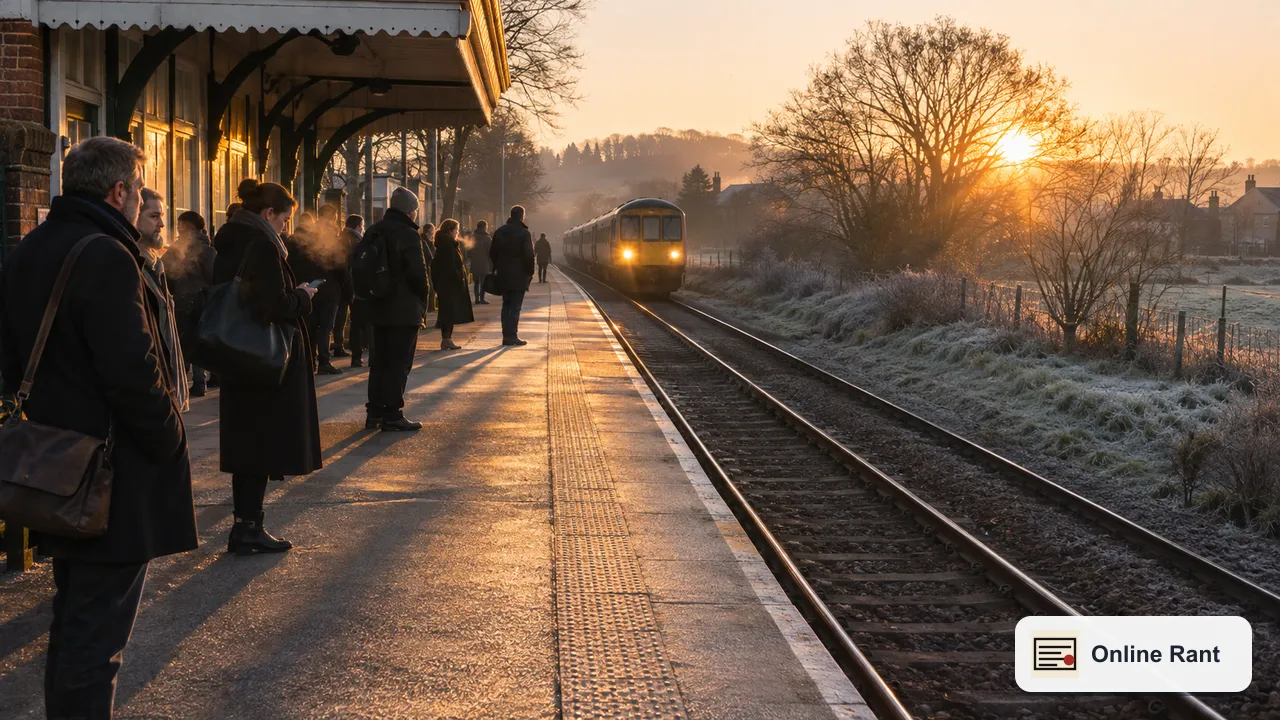
For one year, regulated rail fares in England did something they had not done in a very long time: they stayed still. The freeze started in early March 2026, and what happens at the next annual change, expected in March 2027, has not been decided. If you buy a season ticket, a flexi season or a regular off-peak return, the next few months are when you should do your sums, because the answer could change what you pay for a whole year.
What the freeze covers
The Department for Transport’s announcement of 2 March 2026 said the freeze applies to regulated fares across England. Those include season tickets, peak returns for commuters and off-peak returns between major cities, covering more than a billion passenger journeys. The department said it expected the freeze to save existing passengers £600 million in 2026/27 and that, without it, regulated fares would have risen by 5.8%.
The same release gave examples for a typical commuter travelling three days a week on a flexi season ticket: a saving of £315 a year between Milton Keynes and London, £173 between Woking and London, and £57 between Bradford and Leeds.
Not every fare is regulated. Advance tickets and many other fares are set by the train companies. Coverage by AJ Bell in August 2026 notes that about 45% of fares on Britain’s railways are regulated by the Westminster, Scottish and Welsh governments. The rest follow the operators’ own decisions, though in practice they tend to move in a similar direction.
What could happen in March 2027
The annual cap on regulated fares has been linked to the July figure for RPI inflation. If the government goes back to the formula used before the freeze, one percentage point above July’s RPI, the AJ Bell report worked out that fares could rise by 4.2% in 2027, based on a July 2026 RPI figure of 3.2%. That is a calculation, not an announcement. A DfT spokesperson told reporters that “no decision has been made” on fares after the freeze ends.
So there are, broadly, three outcomes: another freeze, a rise near the old formula, or something in between. Keep an eye out for an announcement over the winter.
A freeze is a pause, not a price. Do the sums before March.
The refund rule that changed quietly
The March announcement also contained a less cheerful detail. From 1 April 2026, refunds are only available for unused tickets claimed before travel. The department said this is aimed at fraud and fare dodging and expects it to raise around £40 million a year. For passengers, it means that claiming a refund for a ticket you did not use, after the date of travel has passed, is no longer an option. If your plans change, deal with it before the train leaves.
How to plan around an unknown price
You cannot know what the 2027 fare will be. You can know what you are paying now, and how you travel.
- Annual season ticket renewing in February? Buying before the change date locks in the frozen price for a year. Weigh that against how sure you are about your job, your office days and your plans. An annual ticket bought on a frozen price is a good deal only if you use it.
- Hybrid worker? Count your actual days in the office over the last three months, not the days in your contract. Then compare a flexi season, a weekly ticket and individual returns at those real numbers.
- Occasional traveller? Advance fares and railcards will affect you far more than the regulated fare decision. Check whether a railcard fits your age or circumstances; the discount can cover its own cost surprisingly quickly.
A word about the machine
All of this assumes you can work out which ticket you need in the first place. As this column has complained before, buying a single fare can take six taps and a small exam, and the cheapest valid ticket is not always the one the machine offers first. Before committing to a season, check the route restrictions, the validity times and whether a split between two tickets would be cheaper. Your train operator’s website and National Rail Enquiries both have the details.
Why the freeze was popular, and why it cannot last for ever
The government framed the freeze as a break from what it called the escalator of fare rises, noting that fares rose 60% between 2010 and 2024. Whatever your view of the politics, a year without a rise was felt by commuters who had grown used to an increase every January or March.
The money has to come from somewhere, though. A frozen fare means either the taxpayer covers more of the railway’s costs or something else gives. The refund restriction is one small example of the trade-offs. Others will be argued over in the coming months.
What to do this winter
- Find the price of the ticket you normally buy and write it down, with the date.
- Count how often you really travel, using your calendar or your banking app.
- When your renewal date approaches, check whether an announcement on 2027 fares has been made.
- If buying before March saves money and you are confident you will use the ticket, buy before March.
- If you are not confident, the more flexible ticket is worth paying a little extra for.
None of this will make the 07:42 run on time. It may make it slightly cheaper. For decisions involving employer season ticket loans or salary sacrifice schemes, check with your HR team, because the rules for those are set by your employer rather than the railway. And if you drive to the station, the car park app will be waiting for you either way.
◊