The contactless limit was scrapped. Your card did not notice
The regulator let banks set their own ceilings. Most chose to stay at £100, and the useful change turned out to be control in your own app.
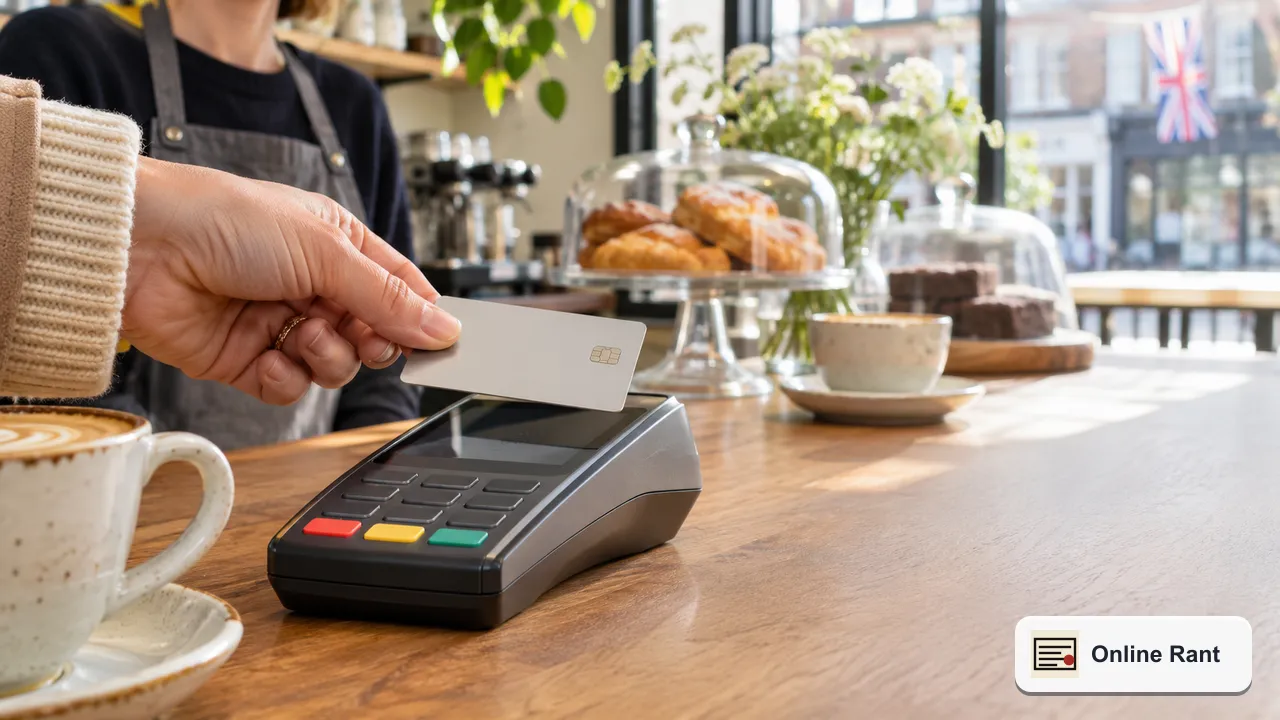
In March 2026 the £100 contactless limit was officially scrapped. If you tried to tap for a £140 coat in a shop this autumn and the card reader asked for your PIN, you have discovered the punchline: almost nothing changed at the till. The regulator removed the single national limit and handed the decision to banks and card providers. Most of them looked at the new freedom, thought about fraud, and kept £100.
What the FCA changed, and when
The Financial Conduct Authority announced on 19 December 2025 that it would give greater flexibility for setting future contactless limits, with the rule changes taking effect in March 2026. The press release is careful. It says firms with strong fraud controls will be able to set their own limits, and it encourages them to let customers set their own limit or turn contactless off entirely. It also says, plainly, that based on industry feedback most banks and payment providers are likely to keep their existing limits for the foreseeable future.
So the headline “contactless limit scrapped” was true in the way that “shops allowed to open later” is true. Permission is not the same as action.
The FCA also pointed out how normal tapping has become. It cited Barclays research finding that almost 95% of eligible in-store card transactions in 2024 were contactless. The habit is settled. The argument is only about the ceiling.
Why the banks held back
Trade coverage at the time, such as this report from Payments Journal, described banks as wary of the extra responsibility. A higher limit means a stolen card can do more damage before anyone notices, and banks would need monitoring good enough to catch unusual spending quickly. Keeping £100 is the cautious option, and for once caution sits on the customer’s side of the table as well as the bank’s.
Permission to raise a limit is not the same as raising it.
What this means at the till
In practice, the experience in November 2026 is close to what it was a year ago:
- Physical cards mostly still stop at £100 for a single tap, then ask for chip and PIN.
- Phone and watch wallets work differently. You unlock the device with a face, fingerprint or passcode before paying, which is an extra check a plain card tap does not have. Your bank’s terms set out what limits apply to wallet payments, and they are worth reading before you rely on a phone for a big purchase.
- Occasional PIN requests continue even for small amounts. These are security checks triggered after a run of contactless payments. They are annoying and they are there for a reason.
If a shop tells you that “the limit has gone, so it should work”, they are half right. The national limit has gone. Your bank’s has not, unless your bank says otherwise.
Control is the real gain
The more useful change for most people is the push towards customer controls. Many banking apps already let you lower your contactless limit, or switch contactless off completely, and the FCA has encouraged more firms to offer that. This is a better tool than it sounds:
- For an older relative who worries about losing a purse, a lower limit, or contactless off with chip and PIN only, can cut the damage a lost card can do.
- For a teenager’s first card, a small limit is a good way to learn without a disaster.
- For yourself on a night out, a temporarily lower limit costs nothing and is easy to raise again in the morning.
Look in your app under card settings or security. If you cannot find it, the bank’s help pages will say whether the option exists.
If your card is lost or stolen
The FCA’s announcement stressed that existing protections stay in place: consumers must be reimbursed in cases of unauthorised fraud, such as when a card is lost or stolen. Freeze the card in the app straight away, report it, and check the last few days of transactions. Speed matters more than anything else you do.
The case for keeping £100
This column is not usually on the banks’ side, but here it is close. Contactless is convenient precisely because it asks nothing of you. That is fine for a coffee or a bus fare. For a sum that would genuinely hurt to lose, a PIN or a phone unlock is a small price for a real check. A national limit that rose with inflation every few years was a clumsy tool, and removing it was sensible. Banks choosing not to rush into higher limits is also sensible. Both things can be true.
What would be less sensible is for the limits to rise quietly, by default, without customers being told. The FCA said firms that change limits must communicate clearly. If your bank does raise its limit next year, expect a message. If you do not want it, that is when you go into the app and set your own.
A small irritation that remains
The one thing nobody has fixed is consistency. A tap that works in one shop fails in the next because the terminal is older, or the shop has its own settings, or the card has hit a random security check. It is the payments equivalent of the car park that wants a different app from the one round the corner. Carry a backup: a second card, a phone wallet, or a little cash for the shop that still prints a receipt the length of your arm. The future of payments is, for the moment, very similar to the past, with more beeping.
If you have a problem with a payment your bank will not resolve, its complaints process comes first, and the Financial Ombudsman Service is the next step after that. For anything involving significant losses, take advice.
Sources
◊