Half price, compared with what?
Black Friday is on 27 November and the crossed-out price is about to work overtime. A short guide to reading a discount like a sceptic.
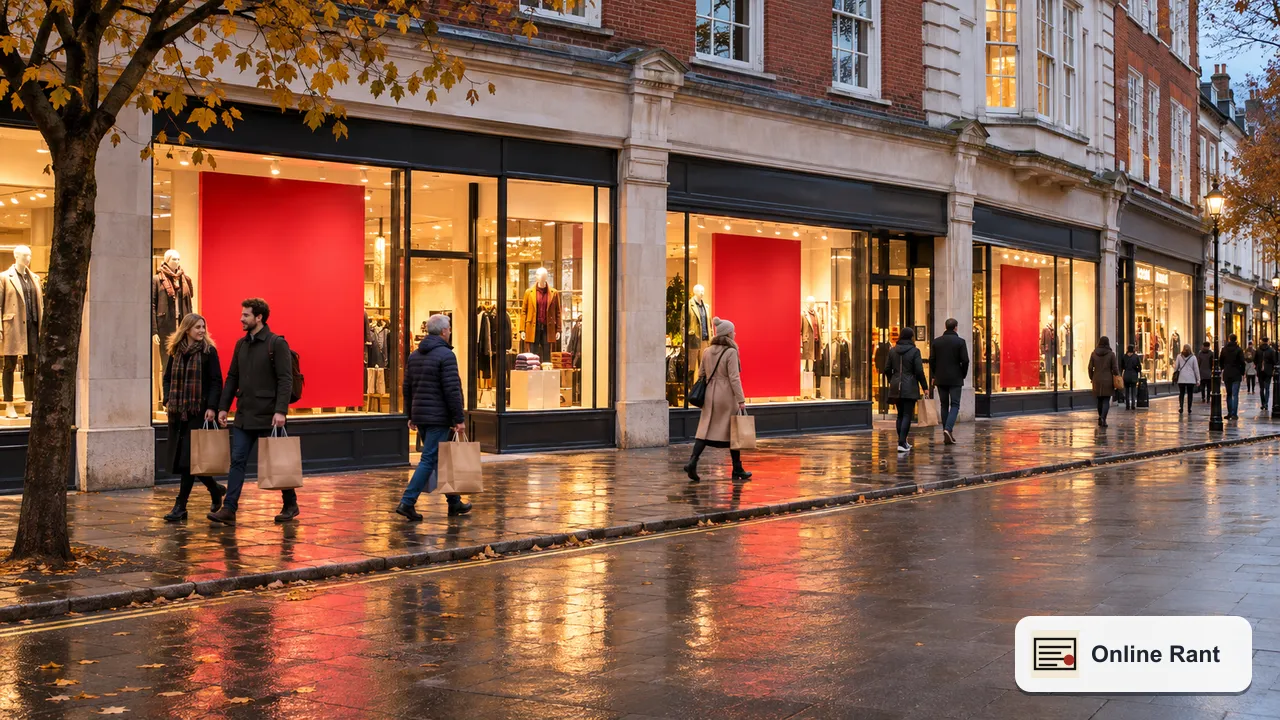
Black Friday falls on 27 November this year, and the word “was” is about to do a great deal of work. Was £129, now £79. Was £49.99, now half price. The trouble is that “was” rarely tells you when, for how long, or whether anyone ever paid it. The government has said it wants to deal with that, and has promised a consultation this autumn on adding fake “was” prices and invented discounts to the list of practices banned outright under consumer law. Until that happens, the useful skill is reading a discount the way a sceptic reads a horoscope.
What the government has actually proposed
On 9 August 2026 the Prime Minister announced a set of cost of living measures. Alongside the subscription rules due in January 2027, the announcement said retailers would be banned from making misleading discount claims. It named two tricks in particular: inflating a price shortly before advertising a “discount”, and showing a “discounted” price that is simply the same as the previous price.
The mechanism matters. The Digital Markets, Competition and Consumers Act 2024 contains a list of commercial practices that are treated as unfair in all circumstances. The proposed consultation, flagged for autumn 2026, would ask whether fake “was” prices, invented discounts and misleading recommended retail prices should be added to that list. If they were, a retailer could not argue that a particular fake reference price was harmless in context. It would be unfair by definition.
That is a proposal, not a rule in force. As of mid-November 2026, misleading pricing is already unlawful under the general ban on misleading actions in the same Act, and the Competition and Markets Authority’s guidance on unfair commercial practices explains how businesses are expected to comply. What the new listing would add is certainty and speed.
Five questions to ask any discount
You do not need to wait for Parliament. These questions work on a website, a shelf edge or a flyer through the letterbox.
1. Was, when?
A genuine reference price is one the item actually sold at, for a meaningful period, recently. If the page does not say when the higher price applied, be suspicious. Some retailers state the dates; more should.
2. Compared with what, exactly?
“RRP”, “compare at” and “worth” are not the same as “was”. A recommended retail price may be a number that nobody in the country has ever charged. Treat it as decoration until you have checked what other shops ask.
3. What does the price history say?
For larger items, price tracking tools and browser add-ons show how a product’s price has moved over months. A price that rose in October and “fell” in November is the exact pattern the government named.
4. Is it the same product?
Two televisions with the same brand and screen size are not necessarily the same television. When you compare prices between shops, match the full model code, letter for letter, before you decide one is cheaper.
5. Would you buy it at this price with no “was” at all?
This is the only question that really matters. Cover the crossed-out number with your thumb and decide.
Cover the crossed-out price with your thumb. If you still want it, buy it.
Why the crossed-out number works so well
A reference price is an anchor. The first number you see sets the frame for every number after it. Show someone £129 struck through and £79 looks like a win, even if £79 is what the item has cost for most of the year. Retailers know this, which is why the “was” price is printed larger and in red, and why the end date of the “sale” is often a countdown clock. The countdown deserves its own suspicion: urgency that resets every midnight is not urgency.
It is the same pressure design that turns a cookie banner into a toll booth. The page is built to make one choice feel obvious and the other feel like a loss. Knowing that does not make you immune, but it gives you a second or two to think.
If you think a discount was fake
You have bought something and later found it was the same price last month. What now?
- Check the return window. For most goods bought online you can cancel up to 14 days after delivery without giving a reason, as GOV.UK’s guidance for online sellers sets out, regardless of the price story. Returning and rethinking is the simplest fix.
- Tell the retailer. A short, polite email with screenshots of the earlier price sometimes produces a goodwill refund of the difference. Sometimes it does not, but it puts the issue on record.
- Report it. Trading Standards takes reports through the Citizens Advice consumer service. One report rarely changes anything; patterns of reports are what enforcers look for.
If a sum is large or you think you were misled into a contract, get advice from Citizens Advice or a solicitor rather than relying on a general column.
What a fair sale looks like
Plenty of shops run honest sales. You can usually tell them by their dullness. The reduction is modest. The “was” price is the one you remember seeing in the shop in September. The sale ends when it says it will. There is no clock, no “only 3 left”, no pop-up asking if you are sure you want to leave. Those retailers are paying a small price for treating you as a grown-up, and when the new rules arrive they will barely notice.
For everyone else, the next few months should be interesting. A consultation, then a decision, then a list amended by regulations: none of that will happen before this Black Friday. It might happen before the next one. Until then, keep your thumb ready, and remember that the cheapest purchase of the season is the one you did not make because a red number told you to. And if the checkout then hands you a receipt a metre long, at least you will know what you really paid.
Sources
◊